Law, policy and regulation for customers making digital payments

summary
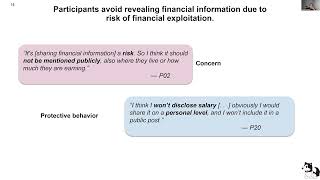
Digital payments generate a persistent data trail used for profiling, with concrete legal gaps: the Information Technology Act 2000 treats sensitive personal data unevenly, excludes many foreign services, and does not classify transaction logs as clearly protected. Banks lack automatic liability for fraud though RBI drafts limit customer losses if reported within five days. Empirical flags include an app survey of ~1,000 wallets finding ~86 unique permissions and typical apps asking 22–34 permissions while the Bank of India app requests 2 and Bank of Baroda 36. Policy and outages also create measurable exclusion: India ranks 138/175 on digital access and only ~20% of women own a phone.
AI-written summary · about
chapters (6)
- 0:00Start
- 3:59Financial Risk
- 4:31Symptoms of Privacy Risks
- 11:43The Exclusion Risk
- 14:09Policy Level Engagement of Consumers
- 22:08Is There Anything That I Can Do as a Consumer
related talks
 27mDriving revenue opportunities across the Open Banking ecosystem
 14mSecurity and Privacy Advice for UPI Users in India
 22mDigital Personal Data Protection Bill 2022
 01h 23mPrivacy and competition in the digital economy.
 40mSuper Apps and Digital Wallets: Securing the Unstoppable Force
 33mFinance, Money and Other Demons
 52mThe Critical Importance of Identity for Instant Payments
 28mDon't Touch my Data: Design drivers for data services in banking