The State of Privacy in Cryptocurrencies

summary
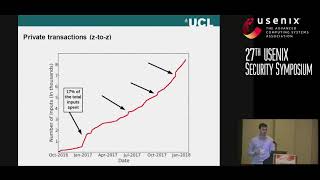
Public blockchains leak IPs, amounts and the transaction graph, so Zcash shielded-to-shielded removes that graph while decoy systems only add chaff. Decoy attacks include the flashlight attack (sending 5–10 small payments to deanonymize a receiver when they cash out) and overseer/change linkage across repeated purchases; exchanges and custodial providers produce about 25% of Bitcoin txns, letting them recognize decoys. MimbleWimble samples mempool transactions so flooding or short bursts can unmask users, cut‑throughs compress but do not restore privacy.
AI-written summary · about
chapters (13)
- 0:00Cryptocurrency privacy myths
- 1:09Public blockchain risks
- 2:38Real-world privacy threats
- 5:56Limitations of pseudonymity
- 8:27Transaction visibility
- 10:22Privacy approach comparison
- 12:27Decoy system vulnerabilities
- 14:35Flash link attacks
- 16:42Custodian impact on privacy
- 18:52Mimblewimble vulnerabilities
- 20:43Zcash scalability and use
- 22:13Future of private payments
- 23:45Q&A on Libra and usability