The GDPR and Privacy Impact of Using Zcash Shielded Transactions for SaaS
summary
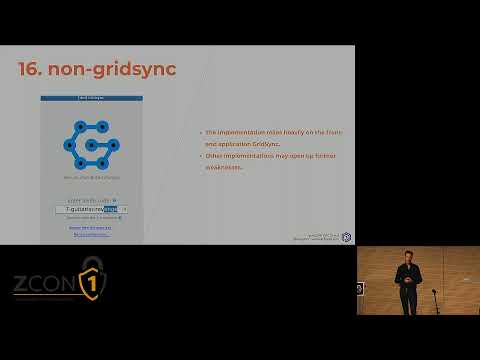
Analysis of using Zcash shielded transactions to pay an S4 private storage service and whether that flow meets GDPR rules, based on an October 2018 report that reviews 16 issues reviewed. Covers concrete risks: IP addresses and logs count as personal data, sharding/encryption do not remove GDPR scope, deletion-by-forgetting keys fails, and running full nodes has unclear controller/processor duties. Notes Sapling’s improved proofs (Sapling upgrade), exchange KYC correlation, clearnet→.onion timing attacks, and recommends Tor access and contractual limits like excluding personal data in terms.
AI-written summary · about
chapters (13)
- 0:00GDPR and Zcash Shielded basics
- 3:04S4 Protocol overview
- 4:49GDPR key principles
- 6:13Controller vs Processor roles
- 8:20EU-US data transfer challenges
- 9:0116 GDPR issues in Zcash
- 11:29Privacy risks in acquiring Zcash
- 12:33Sapling upgrade impact
- 13:39Tor privacy exposure
- 15:48Processor duties in private storage
- 18:19Tor limitations for private access
- 19:44Frontend risks and compliance
- 20:29GDPR compliance conclusion
related talks
 46mCan we have privacy and compliance at the same time?
 01h 24mPseudonymity, Automation, and Responsibility on Public, Permissionless Blockchains under the GDPR
 01h 59mDeep Dive Workshop – Data Security and Data Protection
 39mdev.privacy: GDPR in a nutshell
 01h 00mAn Existential Crisis for Global Data Flows: Privacy and Security Issues
 23mdev.privacy: GDPR in a nutshell
 01h 59mDeep Dive Workshop – Data Security and Data Protection
 21mLessons from Zcash