From the Sensor to the Cloud - Holistic Engineering for your System

summary
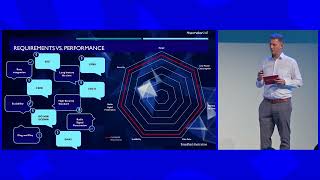
Chooses devices by concrete tradeoffs: LoRaWAN forces edge computing on the device to save energy and bandwidth; GPS-on-movement vs periodic cheap positioning changes battery life; a multipurpose I/O node with 8 inputs 4 outputs counts pulses (S0) and controls actors; built-in time-synchronized meter reads lets simultaneous water-loss comparisons; actuators run local schedules and return fault status so commands are reliable; PIRs use a debounce window to avoid network spam; field-proven across ~350 projects and long product lifetimes matter.
AI-written summary · about
chapters (11)
- 0:00Intro
- 1:16What makes the best device for me?
- 2:35Example: GPS tracker
- 3:26Example: Office Button
- 3:39Example: 8 x digital inputs
- 4:09Example: Impulse counting
- 4:54Example: Control and monitor of actors
- 6:27Example: Mast switch monitoring
- 7:07Application example: Object protection for facilities
- 8:23Transparency in the power grid with LoRaWAN
- 9:10comtac. The company
related talks
 19mChallenges in Scaling of IoT Sensors
 13mDesigning a LoRaWAN solution for construction
 19mDevelopment of a Smart Office Solution
 05mLoRaWAN and Agritech: Success, failures, lessons learned, future
 36mTaming the Complexity
 14mAsset Condition Monitoring
 14mInvesting in existing Building Infrastructure
 14mLevel up with LoRa