LoRaWAN and Agritech: Success, failures, lessons learned, future

summary
Choice of radio matters: using RN2483 and RN2903 modules sped development in 2018 but forced firmware workarounds and limited control so a smaller modern chip would be chosen now; LoRaWAN gives low power, cheaper BOM and remote reconfiguration via The Things Network yet connectivity breaks cause packet loss and maintenance is painful when gateways are remote; payload limits bite if many sensors so the default 15 minute transfer interval and careful payload design are chosen; good range needs line of sight and some deployments reach 60 km line of sight
AI-written summary · about
chapters (4)
related talks
 19mMesh technologies and LoRa, an update
 13mDesigning a LoRaWAN solution for construction
 19mChallenges in Scaling of IoT Sensors
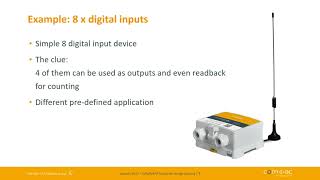 10mFrom the Sensor to the Cloud - Holistic Engineering for your System
 21mImplementing a Localization-Dependent Application
 14mLevel up with LoRa
 15mNeoMesh on LoRa: Bringing True Mesh Networking to the LoRa PHY
 19mDevelopment of a Smart Office Solution