The Return of Software Vulnerabilities in the Brazilian Voting Machines

summary
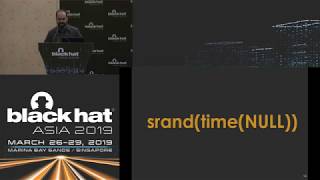
Detailed security analysis of Brazil’s voting software finds practical exploits: install cards that install 50 machines use AES keys hard-coded in firmware and files, allowing decryption and signature forging; the DRV shuffle uses a C RNG with only 3600 seeds discoverable from timestamps, enabling vote-order reconstruction and ballot secrecy breaks; unsigned shared libraries permit arbitrary code execution on machines, letting attackers corrupt logs, prevent or alter vote storage, and produce forged result files — attacks are demonstrated and largely practical at scale.
AI-written summary · about
chapters (7)
- 0:00Introduction and context
- 10:04Public security tests overview
- 23:12Ballot secrecy vulnerabilities
- 34:35Software installation attacks
- 38:31System flaws and limitations
- 41:21Recommendations and future steps
- 44:06Q&A session
related talks
 55mReturn of the Insecure Brazilian Voting Machines
 01h 01mPrinting Votes — Is It a Hack?
 25mFrom Voting Machines to Discord: A Path to Technological Activism
 58mKeynote: Who cares about Democracy?
 45mFrom Ballots to Code: Exploring Election Security
 51mBuilders and Breakers: Partnering for Secure Elections
 22mBuilding a Voting Machine Everyone Can Trust
 12mIncreasing security without decreasing usability: A comparison of various verifiable...