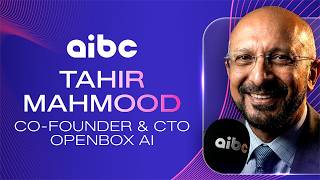
Fireside Chat: AI Trust and Governance in QE - Who Actually Signs Off

summary
Argues that QE must own an accountability layer as teams ship code that AI writes and runs tests, showing why governance either becomes compliance theater or actual controls that detect model drift, provide traceability of prompts and test artifacts, and limit decisions that models can make. Covers concrete pipelines: embed governance checks, observability for post‑production drift, tool selection strategies (reuse existing vendors, adopt AI‑native tools, or build an enterprise control plane integrating models like Anthropic/Google/AWS), and operational rules like fail fast and fix fast.
AI-written summary · about
chapters (11)
- 0:00Who Owns AI Trust and Governance in Quality Engineering?
- 2:40How Did Software Testing Change Before the AI Era?
- 5:12Why Does AI Introduce New Quality and Governance Risks?
- 7:12Why Trust Matters More Than Traditional Test Coverage
- 7:42If AI Writes and Runs Tests, Who Should Sign Off?
- 8:13How Do You Build Governance Into AI Testing Pipelines?
- 11:16Will AI Replace Quality Engineers or Change Their Role?
- 16:24What Evidence Is Needed to Approve AI Systems for Production?
- 20:00How Should Enterprises Choose AI Testing Tools and Frameworks?
- 24:37How Do You Test AI Agents for Safety, Bias, Security, and Reliability?
- 29:17Why Human Sign-Off Still Matters in AI Quality Engineering
related talks
 28mFrom the Trenches: Solving AI Governance Challenges
 01h 05mPanel Discussion: Building Confidence in AI-Driven Testing Decisions
 27m📙 AI as an Accountable Entity: Governing Risk When Machines Make Decisions ⚖️
 08mWhy AI Governance Matters More Than Ever
 47mEmbedding AI: Don’t Burn Your Fingers in the Heat of the AI revolution
 31mMaking Trustworthy AI a Business Advantage
 24mPanel Discussion: Proof in Production: Customer Lessons from Confidential AI
 26mFireside chat: Challenges with AI implementation in organizations