Translating a Trillion Points of Data into New Insights into Disease
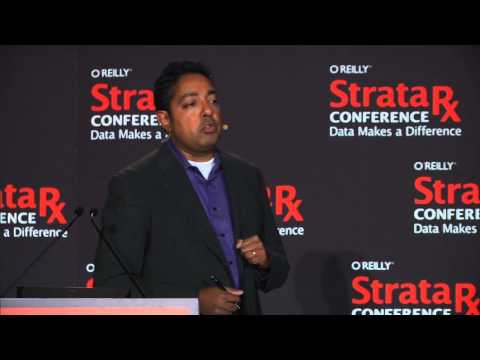
summary
Public repositories already hold 1.1 million microarray samples (now about 1.4 million) and anyone can download 39,000 breast cancer samples for analysis; combining disease signatures with drug-response profiles yields testable predictions. A computational match predicts drugs like imipramine reversed small cell lung tumors in mice, moved from cell lines to mouse models and into a clinical trial started at Stanford within ~15–20 months. Clinical-trial deidentified data are pooled in the IMPORT repository and a startup, Newti, licenses hits for development.
AI-written summary · about
chapters (18)
- 0:00Introduction
- 0:30omics technologies
- 1:40omics chips
- 2:30growth chart
- 3:04URLs
- 6:06High School Kid
- 6:59The Grid
- 7:44The Data
- 9:15Topiramate
- 9:48Small Cell Lung Cancer
- 11:18Spinout Company
- 11:42The Genome
- 12:29Reading Papers
- 13:00Interpreting the DNA
- 13:47Nicholas Volker
- 15:36Clinical Trials Data
- 16:08Import
- 16:59Hope
related talks
 04mDBTB INT Atul Butte r
 50mInnovation and data analytics: Solving real-world challenges
 32mData Mining in the EMR Gold Rush
 57mBig Data and New Models Needed to Study DNA Variation in Evolution and Cancer
 05mPivot
 07mCollaboration in AI benefits humanity
 20mWith Big Data Comes Big Responsibility
 09mCan Big Data Save Them?