SLX: An Extended SLO Framework to Expedite Incident Recovery

summary
SLX extends SLOs to manage hundreds of objectives for a 99.999% availability target across 60+ Kubernetes clusters and 50+ components, building a dependency graph that links SLOs, Service-Level-Factor (SLF) and Service-Level-Dependency (SLD) to locate root causes automatically. It generates Prometheus recording and alert rules, Grafana dashboards via Kubernetes controllers and Argo CD, feeds alerts to an anomaly engine, and progresses from human-led ops through AI-assisted diagnosis to a proposed L2+ autopilot that reconciles cluster state.
AI-written summary · about
chapters (12)
- 0:00Intro
- 3:11Intro Incident Lifecycle
- 8:02SLX Intro
- 9:22SLX Graph
- 12:55SLX Definitions
- 17:43Automation
- 21:43Workflow
- 22:22System Design
- 23:22Dashboards
- 24:38What's Next
- 26:06Anomaly Detection
- 29:31Summary Key Take-Aways
related talks
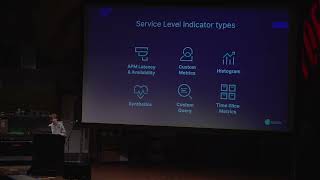 31mServerless Observability: a case study of SLOs
 18mSLICK: Driving SLO Culture
 30mFrom Monitoring to Observability: Left Shift your SLOs with Chaos
 23mSLO's for Openstack - the API for Engineering Teams
 37mUsing SLOs for Continuous Performance Optimizations of Your K8s Workloads
 33mHow and why we lowered our SLO
 22mLook Ma, No Metrics: A Quest Towards Extracting SLOs
 28mLean Product Development Through SLOs