Enhancing Privacy through the Visual Design of Privacy Notices: Exploring the Interplay
summary
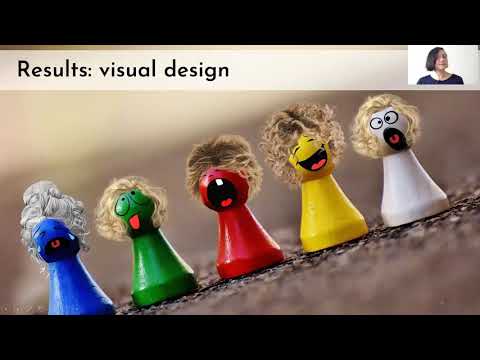
A 620-person online experiment tests visual tweaks: policy text stays constant while some versions add anthropomorphic comic framing and some add switches next to policy sections for granular control; curiosity is measured and affect is recorded pre/post. Results show N=620 that control increases positive affect, people who change switches score higher on comprehension and lower on disclosure, framing yields no effect, time-on-page strongly predicts comprehension, and affect moderates the privacy-concerns → disclosure pathway.
AI-written summary · about
chapters (8)
- 0:00Intro
- 0:38Problem
- 1:52Research questions
- 3:07Method
- 7:01Analysis
- 9:13Results: visual design
- 10:37Results: psychological factors
- 11:50Summary
related talks
 24mApplied Psychology: Psychology-based UI improvements
 22mEnhancing Privacy through an Interactive On-demand Incremental Information
 06mDecisions and Disruptions 2: Decide Harder
 33mDesigning and Building With Privacy In Mind
 13mUnpacking the Social and Emotional Dimensions of Security and Privacy User Engagement
 23mCooperative Privacy and Security: Learning from People with Visual Impairments
 41mDesign for Cognitive Bias
 42mPersuasive design patterns: Design experiences that enhance & align with motivations