The Digital Accessibility Legal Landscape – why it matters for developers

summary
Laws and standards matter: WCAG 2.1 AA and EN 301 549 show up in procurement and government rules, Finland adopts the CRPD in 2016 while the U.S. has not; courts in the U.S. allow website suits (Domino’s) though a Winn‑Dixie ruling limited scope and a California parks site cost $6M when delivered inaccessible. Real fixes are concrete: talking ATMs and accessible online banking from the late 1990s worked, assistive tech like JAWS and braille display enable real users, and one-line overlay scripts routinely fail.
AI-written summary · about
chapters (15)
- 0:00Intro
- 4:05Accessibility is a Human Right
- 6:06My accessible coding means
- 6:47What is the opposite of inclusion?
- 7:19A developer's role
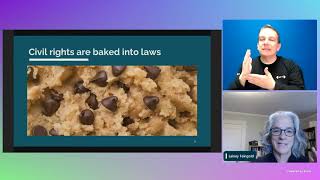
- 8:02Human Rights are baked into laws
- 9:35Laws +++ around the world ...
- 15:23Laws need enforcement
- 16:01How are laws enforced?
- 18:16US Lawsuits a few of many
- 21:11Accessibility: baked in from the start
- 22:51Accessibility: many ingredients / many roles
- 24:27Accessibility: Not one and Done
- 25:51Accessibility: involve disabled people
- 27:19Accessibility is Delicious
related talks
 47mThe Digital Accessibility Legal Landscape
 01h 01mFull Stack Accessibility, and the Business Case for being Inclusive
 43mWhat is accessibility, and why I should care?
 48mThe Digital Accessibility Legal Landscape
 54mWhat’s Law Got to Do with It? Role of Law in Developing an Accessible, Usable Digital...
 37mAccessibility Matters: Creating a Better Web
 29mAccessibility Matters: Creating a Better Web
 38mAccessibility 101-102: What every tester should know about digital accessibility