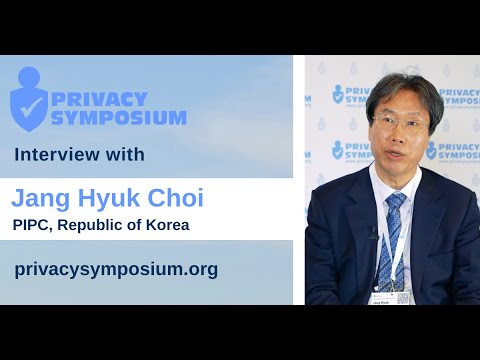
Interview with Jang Hyuk Choi
summary
PIPC issues AI guidelines that claim to reduce legal uncertainty so costly, time-consuming projects do not run afoul of law late in development; the guidelines position themselves as best practices for early-stage AI to avoid regulations that would block innovation. Main challenge is that regulation can still hinder progress, so international dialogue aims to harmonize rules on sensitive uses such as Open AI accessing Orbis or handling biometric data.
AI-written summary · about
chapters (3)
- 0:00Introduction
- 1:09From your point of view, what will be the main challenges with data regulation in the years to come?
- 1:55How important are international dialogue and cooperation?
related talks
 01h 15mREGULATING AI IN HEALTH RESEARCH AND INNOVATION
 39mAI Regulations: A Healthy Tension with Innovation or Stifling Bureaucracy?
 01h 11mThe Intersection of AI and Regulation How Organisations and Regulators Should...
 31mPanel: Navigating the AI Policy Landscape
 51mAI: Legal and Policy Considerations and Landmines to Avoid
 51mIntersection of International Relations and AI
 01h 10mGlobal Approaches to AI Regulation Towards an International Law on AI
 53mAI: Law, Policy and Common Sense Suggestions on How to Stay Out of Trouble