AI Regulations: A Healthy Tension with Innovation or Stifling Bureaucracy?

summary
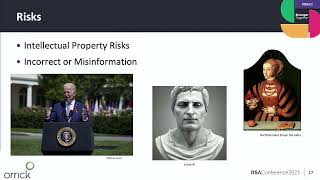
Compares broad legal definitions, patchwork US and state rules, and pending UK/China/India drafts, showing regulation targets governments more than open source creators and often raises costs and compliance complexity for small projects. Demonstrates bias by generating images with GPT-4 image prompts and a DALL·E plugin that repeatedly yields white men and a PeeWee Herman outlier. Flags harms: privacy, IP, misinformation, shadow IT, and morale, cites Space Force LLM ban (Oct 2023) and urges transparency, reading rules, public comments, and pragmatic risk-taking.
AI-written summary · about
chapters (11)
- 0:00Introduction
- 3:51From lawyer to AI practitioner
- 5:36Defining AI in regulations
- 7:20AI risks and societal concerns
- 10:48AI bias in image generation
- 16:52What regulators aim to address with AI laws
- 21:28Existing AI regulations overview
- 25:45Evaluating AI regulations critically
- 30:20Regulation challenges and consequences
- 35:57Engaging with AI policy
- 38:43Q&A
related talks
 51mIntersection of International Relations and AI
 46mCode vs. Compliance
 01h 08mTHE GOVERNANCE OF AI: CONVERGENCE OR DIVERGENCE?
 01h 19mPower, Convenience, and Prestige in the Governance and Legal Regulation of AI
 01h 11mThe Intersection of AI and Regulation How Organisations and Regulators Should...
 53mAI: Law, Policy and Common Sense Suggestions on How to Stay Out of Trouble
 01h 15mA Stress Test for the EU’s Digital Rule Book Ensuring AI Governance is Grounded ..
 53mWild West's End