V2X. V2H? H2V? WTF?
summary
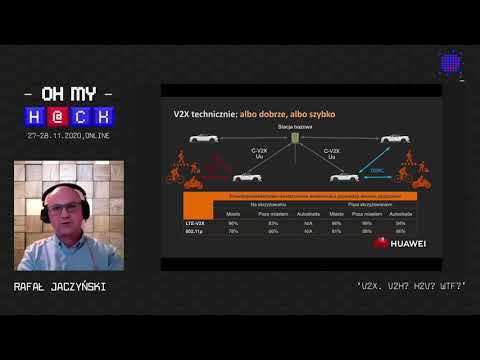
The talk examines connected-vehicle ecosystems (vehicle-to-everything: V2X, V2H, H2V) showing cellular V2X on LTE with ~14 ms latency and edge computing targeting 1–2 ms app delays while 5G can cut the radio hop to ~1 ms. It cites benefits—up to 96% fewer accidents, ~15% travel-time reduction, ~16% higher road throughput, truck platooning fuel savings of ~20% and ~40% labor reduction—and highlights rising security risks (attacks increasing sevenfold, ~70% criminal, typical real-world compromise tooling cost ≈ $10k) plus unresolved privacy and edge–cloud isolation issues.
AI-written summary · about
chapters (9)
- 0:00V2X introduction
- 3:53V2X communication types
- 7:48V2X security and benefits
- 12:47V2X communication tech
- 17:025G and V2X future
- 22:02Car hacking
- 33:45V2X network security
- 38:03V2X privacy
- 41:17Summary
related talks
 12mStopping V2X Threats at the Source: Hardware Cybersecurity for Automotive
 43mConnected Cars - What could possibly go wrong?
 51mOptimizing the future: The 5G & IoT revolution
 37mIncreasing Throughput in Urban Roads by Connected Vehicles
 40mWhy 5G Demands a New Approach to Cybersecurity
 31mSmall Cells and Smaller Devices: Using 5G to Solve IoT Device Security
 38mNation-State at Fault: The Future of Automotive Accidents?
 12mCARdea: Two-Phase Plausibility-Based Vehicle-to-Vehicle Anomaly Detection...