Evolving Storytelling in Returnal: How to Tell a Haunting Story

summary
Returnal’s story embeds mystery into gameplay: a first-person house sequences mode strips HUD and guns to force slow, unreliable-memory exploration; optional, repeatable story layers form a “story onion” that rewards multiple runs; alien texts use xenoglyph translation tiers with changing accuracy numbers and intentional mistranslations; databank and shiplogs fragment and contradict across acts. Built on Unreal for PS5 by a ~75-person core team with ~4 narrative leads, the game drops no-interactable NPCs, leans into roguelite loops, and succeeds at producing haunting ambiguity rather than a single canonical truth.
AI-written summary · about
chapters (12)
- 0:00Haunting storytelling in Returnal
- 8:01Returnal's development
- 12:36Narrative philosophy
- 21:21Roguelike story recontextualization
- 29:30Story onion structure
- 35:09Plot versus narrative
- 41:34Reality-blurring techniques
- 46:18Storytelling techniques
- 53:17Xenoglyphs and alien perspective
- 1:00:01Data Bank unreliable narration
- 1:05:16Shiplog contradictions
- 1:09:10Lessons from Returnal
related talks
 47mStorytelling Beyond Words
 21mHow to lay the foundations for compelling storytelling in games
 45mNext-Gen Story Design: Immersive Process for Immersive Experience
 45mCreativity and roots
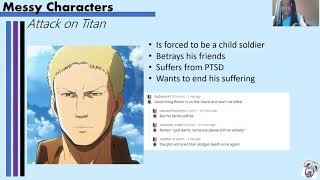 49mMessy characters and breadcrumb trails: Designing player investment
 41mNew ways of telling stories
 23mThe vitality of visual storytelling in games
 41mCombining Environmental Storytelling and Level Design in Baldur's Gate 3