Using OKRs to Manage AI and Data Science Teams
summary
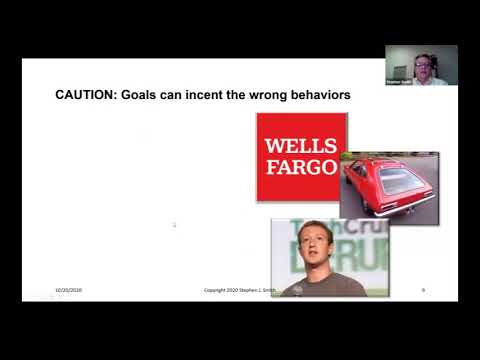
Argues that Objectives and Key Results make AI and data science work align with company goals by adding measurable outcomes to creative, iterative projects; fits on top of agile/lean with a quarterly cadence, aims for about 70% completion on KRs, limits to 3–5 objectives, and assigns one owner per key result. Cites Intel’s original OKR with measurable benchmarks and Google’s long use; recommends transparency, light comp linkage, and measurable KRs like publish five benchmarks or ship a part.
AI-written summary · about
chapters (11)
- 0:00Start
- 0:25Steven Smith
- 1:53Set Goals or Objectives for Your Ai Projects
- 6:43Who Uses Okrs
- 8:26Lower Stress
- 11:49Sandbagging
- 16:40Balanced Scorecard
- 20:22Why Are Okay Errors Good Okrs
- 24:32Questions about Okrs
- 25:31The Common Mistakes with Okrs
- 26:42Summary Okrs
related talks
 17mKurt Muehmel (Dataiku) interviewed at the O'Reilly Artificial Intelligence Conference NY 2019
 32mOperationalizing Responsible AI
 22mHow to operationalize AI
 24mSecuring Executive Buy-In for Data Strategies
 35mExecutive Summit Keynote: How to Ensure ML Project Success
 32mHow to evaluate team effectiveness with a data first approach
 11mSuccessful AI adoption
 26mThe Hidden Foundation: How Effective Data Management Determines AI System Success