Sensory Friendly Monitoring

summary
Explains concrete practices for quieting alert noise: categorize alerts by role, route infra alerts to PagerDuty, keep noisy tools out of general Slack channels, and build redundancy so a Slack outage (noted as a 3‑hour incident) doesn’t silence notifications. Gives two measured effects to design for: 25 minutes to recover from an interruption and error rate triples when multitasking. Advises regular sprint‑time audit of alerts, automated backup testing, and failure drills so alerts match current architecture.
AI-written summary · about
chapters (12)
- 0:00Start
- 2:08Meanwhile, when we turn the dial too far...
- 2:47Your brain on alerts
- 4:41Quality cost
- 5:41Cost of multitasking
- 6:55Be aware, not overwhelmed Determine the sources of noise
- 9:26Communication & Boundaries
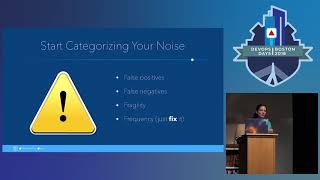
- 11:01Start categorizing your noise
- 12:05Save time: create your noise flow
- 12:51Re-Evaluate Redundancy
- 14:47Keep alerts relevant: Sprint Cleaning
- 15:39Additional Reading
related talks
 19mSensory Friendly Monitoring: Keeping the Noise Down
 06mSensory Friendly Monitoring
 19mSensory Friendly Monitoring–Keep the Noise Down
 19mSensory Friendly Monitoring: Keeping the Noise Down
 27mSensory Friendly Monitoring: Keeping the Noise Down
 26mSensory Friendly Monitoring- Keeping the Noise Down
 21mSensory Friendly Monitoring: Keeping Noise Down
 27mWant to Solve Over-Monitoring...