Microsoft Fabric & Content Safety: Analytics on Metadata

summary
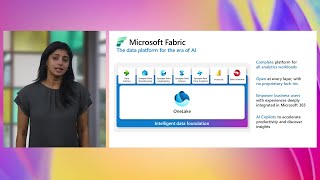
A working end to end pipeline wires a Dockerized React web UI to Azure storage blobs, a C# function that calls Azure AI Content Safety, Logic Apps that extract custom blob metadata into a CSV, and Microsoft Fabric that ingests the CSV, runs a Python notebook to split multivalue rows, builds a semantic model and produces visuals. The hard part is a brittle REST call for metadata that takes days to debug; content safety reliably returns approved/blocked flags (it blocks violent images) and the Fabric pipeline successfully transforms and analyzes the data.
AI-written summary · about
chapters (12)
- 0:00Microsoft Fabric & Content Safety intro
- 1:34Workshop overview & architecture
- 3:21Setting up the development environment with Terraform
- 8:22React web app build & deploy
- 11:55Logic Apps for metadata processing
- 14:48Azure Function trigger deploy & test
- 19:40React upload flow demo
- 21:49Content Safety API monitoring
- 25:52Fabric metadata analysis
- 35:22Fabric Lakehouse pipelines
- 41:16Insights visualization & closing
- 42:18Q&A
related talks
 20mThe What and the Why of Microsoft Fabric Real-time Analytics
 30mSecure govern and manage your data at scale in Fabric
 56mBuilding web apps with Cloud and AI
 42mReimagine Real-Time Intelligence with Microsoft Fabric
 47mDriving alerts and actions on your data
 40mDecide on the fly: Real-Time Analytics in Microsoft Fabric
 01h 05mFunctional Web Programming in .Net with the SAFE Stack
 31mLeveraging Azure PaaS for Real-Time Social Media Analysis