It’s skeuomorphin’ time!! The enduring physicality of braille!

summary
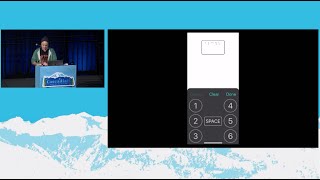
Claims that tactile legacy tech revives physical computing via concrete examples spanning three centuries: the 19th slate and stylus method for embossing paper, the Perkins Brailler’s chorded muscle‑memory input (Perkins Brailler), and Satoshi & Reiko Fukushima’s hand‑typing as receiving method that flips sending into sensing. Demonstrations include an iPhone screen‑away mode using Perkins mappings; the recorder admits imperfect live skill but the method works and yields reliable, nonvisual typing and discoverable phonetic encodings.
AI-written summary · about
chapters (7)
- 0:00Touch screens frustration
- 1:39Slate and stylus to Perkins Brailler
- 4:54Japanese finger Braille innovation
- 7:22Satoshi and Reiko’s breakthrough
- 8:26Skeuomorphism meaning
- 9:52Matching inputs to Braille
- 10:35Screen away mode on iPhone
related talks
 20mHybrid-Brailler: Combining Physical and Gestural Interaction for Mobile Braille Input and Editing
 12mTyping Haptically: Towards Enabling Non-auditory Smartphone Text Entry with Haptic Feedback for B...
 22mBraille.js. Bringing together accessibility, JavaScript and IoT
 23mRealPen: Providing Realism in Handwriting Tasks on Touch Surfaces using Auditory-Tactile Feedback
 40m"Learn to Touch Type" Glove
 20mNonvisual Interaction Techniques at the Keyboard Surface
 31mTeaching the Sighted to Touch & Feel a Bit More
 01h 14mAccessibility — the Pinnacle of Technology