Technique and geopolitics, what's the connection?
summary
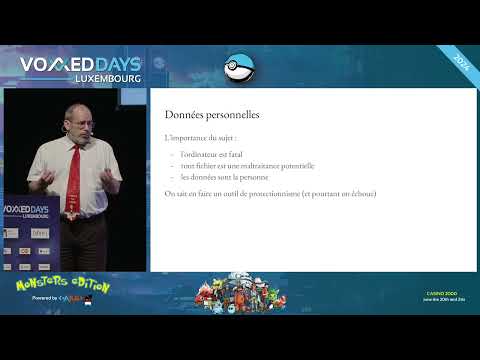
The talk argues that software is politically decisive rather than neutral, showing how digital encodings (character sets, file formats) can erase people’s identities (examples like SERFA or names with accents) and how database operations let administrations or organisations inflict mass harm (e.g., deleting many benefit recipients by removing rows). It discusses technologies such as Big Data, machine learning, chatbots, databases and BGP/IP networks, contrasts the internet’s decentralised resilience with failing corporate digital transformations driven by power shifts, and advances the core claim that files and data equal persons and thus enable large-scale abuse.
AI-written summary · about
chapters (6)
- 0:00Introduction
- 2:47Personal data and geopolitics
- 18:59Digital transformation failure
- 33:51Power and social inequality
- 47:13IT roles in social structures
- 58:07Q&A
related talks
 52mKeynote: #HackingDemocracy: Will Our Societies Hold?
 44mThe Myth of Neutrality: When Tech Becomes Political
 29mSo, What about Politics?
 33mTechnosolutionism and human rights
 27mPreventing Digital Totalitarianism
 01h 15mSUBJECTS AND STRUCTURES:RE-IMAGINING DATA PROTECTION AS A CRITIQUE OF POWER
 32mQualify for the Future: Does Digitalization Make the World a Better Place?
 30mLet’s get radical: digital privacy as a collective issue