VOICE Summit 2019 | VED Talks | Neil Epstein | July 23
summary
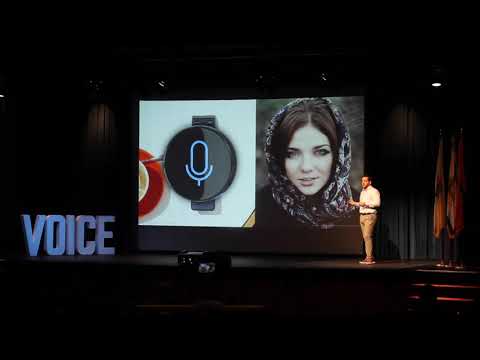
Describes building Xfinity voice UI that ships on consumer boxes since 2014–2015 with over 20 million devices and nine million utterances, shows a “continue watching” flow that resumes shows, and calls out a recurring Drop In bug that maps names to rooms (example: “wake up Sarah” triggers “Sarah’s room”). Argues for tone detection, persistent UI cues (a guaranteed upper-left real estate), dynamic design templates, A/B prototyping, and deeper vertical integrations like Tesla’s limited vehicle voice controls.
AI-written summary · about
chapters (8)
- 0:00Inspiration from Knight Rider
- 1:53Voice vs other modalities
- 3:39Language evolution in voice UI
- 5:03User frustration with voice
- 6:35Cross-team collaboration for voice
- 8:22Building trust through personalization
- 10:10Educating users on voice commands
- 11:37Prototyping and user feedback
related talks
 26mVoice is Helping Users Access Content Faster with Comcast
 19mAlexa, show me a good voice UI
 16mWeak signals of a vocal revolution in UIs
 03h 52mLivestream 1
 02mInterview with Joaquín Engelmo, Speaker at Commit Conf 2019
 31mWhat's Next in Voice for Brand Leaders
 01mUX/UI
 23mImproving Brand Experience & Loyalty with Voice