Interview

summary
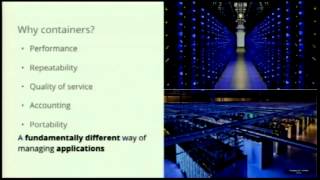
Containers remove the hypervisor and run as OS‑level virtualization, making them very lightweight and allowing roughly 10x more instances per server; Google runs about 2 billion containers a week. Docker adds a UI and a deployment workflow so teams build, ship and run identical environments locally. Security uses a whitelist model: Docker drops all capabilities by default, recommends SELinux/AppArmor and is adding user namespaces, and advises against running root‑privileged services like certificate authorities inside containers.
AI-written summary · about
chapters (6)
- 0:00Introduction to containers
- 1:30The docker philosophy
- 2:57Why containers are necessary
- 4:15Agnostic deployment models
- 5:05Security considerations
- 6:29Docker security approach
related talks
 29mDocker for Managers
 35mContaining the Container: Developer Experience vs Strict Security Posture
 40mUnpacking the Container: A Deep Dive into Virtualized Container Technology
 33mDocker Security
 58mKeynote: So, I have all these Docker containers, now what?
 34mHow secure are Docker containers?
 36mDocker Inside/Out
 21mWhy we built Docker