Tips for Managing a Widely Distributed Team

summary
Engineers manage a team of 28 across 11 countries and 6–7 timezones, grew from 10 to ~30 in six months, and prove distributed can scale. Work runs through GitHub pull requests, public Slack channels and planned synchronous windows; meetings are for high-bandwidth decisions, not status. Regular meetups need budget, agendas and social activities like volunteering or lightning talks. Emphasize asynchronous workflows with public updates, weekly one‑on‑ones, and explicit time‑zone fairness.
AI-written summary · about
chapters (25)
- 0:00Introduction
- 1:30Why did you change your title
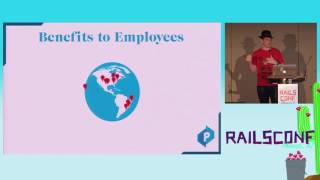
- 2:26Why would you want to work on a distributed team
- 4:10Additional context
- 5:15People from around the world
- 10:52Psychological safety
- 13:00Use your time
- 13:42Team structure
- 14:35Day to day work
- 15:17Build social capital
- 16:05Volunteer
- 18:47Fatigue
- 23:03Time zones
- 23:49Asynchronous communication
- 24:26Talk in public
- 25:53Status updates
- 26:55Instant gratification
- 27:23Unblocking people
- 27:46Working on multiple projects
- 28:35Overcommunicate
- 29:26Boundaries
- 30:20Stop working in the evening
- 30:44Leave less than the lady
- 31:15Use different time zones
- 31:46Recap