Unified Theory of SRE

summary
Argues that SRE at tiny startups looks nothing like the Google-origin model: the SRE book reflects teams with 70+ contributors and orgs sized like 1200 SREs / 2400 engineers, so startups must prioritize product velocity above traditional ops rituals. Recommends focusing developer infrastructure (CI, deploys, staging), doing the bare minimum in production, avoiding no Kubernetes complexity, treating SLOs as optional until product‑market fit, trimming incident reviews to the 20% that matter, and rethinking on‑call for an 18 months default‑dead runway.
AI-written summary · about
chapters (9)
- 0:00The state of SRE
- 1:50Loss of faith
- 3:57Historical context
- 7:16Questioning the SRE book
- 10:52Reframing SRE for startups
- 14:03Product velocity as priority
- 17:13Standardization and tech
- 21:28Axioms over rigid SLOs
- 24:02Incidents and on-call
related talks
 41mAn Introduction to SRE at Google (with DevOps Focus)
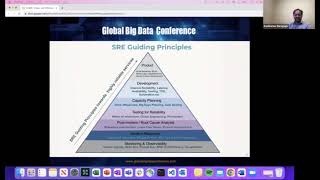 25mSRE Guiding Principles & Transformational Framework
 26mSRE (and DevOps) at a Startup
 30mWhen Is SRE Right For You?
 05mHow do Devops and SRE relate?
 27mHow Google SRE and developers work together
 06mIGNITE: Want to start with SRE? Start with this talk.
 25mUnleashing the potential of SRE for modern operations