Characterizing and Understanding Phases of SRE Practices

summary
A five-stage Shu‑Ha‑Ri model adapted from martial arts maps SRE maturity across incident response, postmortems, SLOs, monitoring, capacity and performance, tracing a three‑four plus year industry shift. Novice teams panic and throw hardware, competent teams measure 80+% of services and pre‑cache 20–50% of critical infra, while masters use chaos engineering to manage error budgets and prevent over‑engineering. Culture moves from blame to blameless postmortems, monitoring converges with observability, and purchasing shifts toward 1+ purchase‑cycle forecasting.
AI-written summary · about
chapters (14)
- 0:00STAGES OF PRACTICE
- 4:23Shu Signposts: Incident Response
- 5:47Ha-Ri Signposts: Incident Response
- 7:04Shu Signposts: Postmortems
- 8:49Ha-Ri Signposts: Postmortems
- 9:48Shu Signposts: Incident Prevention
- 10:43Ha-Ri Signposts: Incident Prevention
- 16:03Shu Signposts: Monitoring
- 17:23Ha-Ri Signposts: Monitoring
- 20:45Shu Signposts: Performance Management
- 21:49Ha-Ri Signposts: Capacity Planning and Forecasting
- 23:31Assessing Your Organization's Level of Practice
- 30:16Each 9' will cost you more than the one before it...
- 33:05THE ADVANCED COMPUTING SYSTEMS ASSOCIATION
related talks
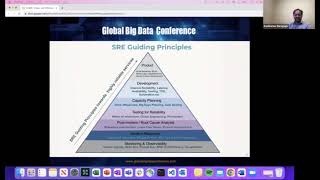 25mSRE Guiding Principles & Transformational Framework
 25mUnleashing the potential of SRE for modern operations
 29mThe Curious SRE: Cultivating a Mindset for System Resilience
 58mEnterprise Roadmap for SRE
 30mWhen Is SRE Right For You?
 49mWhat SRE Could Be: Systems Reliability Engineering
 22mSRE for Enterprises
 30mHow Did Things Go Right? Learning More from Incidents