Care and Feeding of SRE

summary
Argues that SRE is an organizational strategy, not a bag of tactics, centered on three concrete goals: maintaining SLOs, managing operational load, and maximizing leverage. Recommends a hard guideline that SREs spend roughly 50% of time on toil and operational load and prioritizes work where SREs get the best leverage (N:1 ratio of product engineers to SREs). Uses Spanner/Chubby as examples for SLO calibration, shows blameless post‑mortems and load‑shedding actually stop vicious toil cycles.
AI-written summary · about
chapters (14)
- 0:00Intro
- 3:39Reliability is paramount
- 5:12Toil and operational load
- 6:53Toil management
- 8:50Reliability priority
- 16:56Precision and promises
- 24:51Assume best intentions
- 25:31Bad things happen
- 27:11Blameless postmortems
- 28:11Postmortem case 1
- 29:23Postmortem case 2
- 30:49Postmortems
- 31:44Adoption
- 33:46Conclusion
related talks
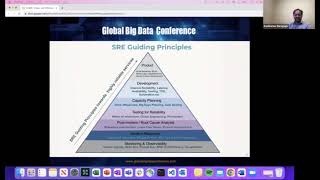 25mSRE Guiding Principles & Transformational Framework
 49mWhat SRE Could Be: Systems Reliability Engineering
 45mClearing the Way for SRE in the Enterprise
 26mFrom Nothing to SRE: Practical Guidance on Implementing SRE in Smaller Organisations
 31mConfessions of an SRE Manager
 07mIGNITE: Metrics, Margins, Mutiny – How to make your SREs (not) run away
 24mBeing Reasonable about SRE
 41mAn Introduction to SRE at Google (with DevOps Focus)