Performing Data Science: A Musician's Perspective
summary
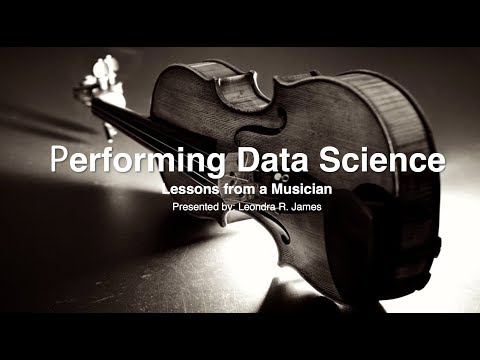
Argues that liberal arts and performing-arts backgrounds map to the domain-expertise circle of data science and that the barrier is practice not innate talent, citing the 10,000-hour myth vs Anders Ericsson’s finding of ~7400 hours for top violinists and emphasizing deliberate practice (SMART goals, targeted feedback, recovery). Notes imposter syndrome prevalence (~70%), links confidence to competence via the Dunning–Kruger curve, and recommends courses, meetups, certificates and on-the-job projects to learn math and coding while leveraging creative skills for feature engineering and communication.
AI-written summary · about
chapters (7)
- 0:00Start
- 6:07Impostor Syndrome
- 6:56REASONS WHY A GOOD THING HAPPENED TO YOU
- 10:12Outliers
- 13:00Deliberate Practice
- 18:27Left brain
- 20:49NOT SURE IF APPLYING TO GRAD SCHOOL BECAUSE SCARED OF THE FUTURE
related talks
 48mCommonly Uncommon Diverse Paths that Lead to Winning Outcomes
 43mMusician to Machine Learning
 31mAn Atypical 'Performance' Talk
 31mMozart Could’ve Been an Engineer - Music + Code
 45mFailing to Learn vs Learning to Fail
 41mProficiency + Creativity = Happy Data Practitioners
 31mPractice Cyber Skills Like a Musician
 16mThe Benefit of Talking to the "Non-Datas"