Cybersecurity for an Inclusive Future
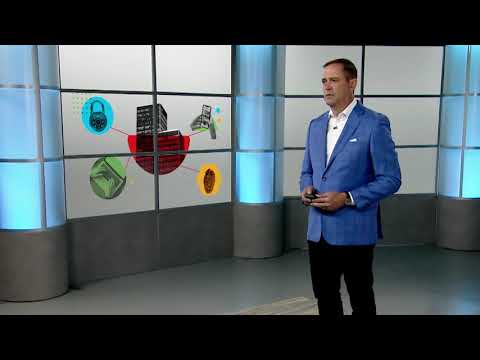
summary
Argues that organizations must adopt end-to-end security and zero trust as the threat surface expands—cites 3,500 security vendors, 2.8 million active cyber pros and 4 million open jobs—promotes platform-based correlation and remediation with examples: SecureX (70% of customers report simpler operations), encrypted traffic analytics in switches, Webex security, ThousandEyes/AppDynamics observability. Claims continuous authentication, AI/ML-driven intelligence, and Networking Academy scale (2.3M trained, ~600k in cyber courses) are the practical levers to make security work at scale.
AI-written summary · about
chapters (8)
- 0:00Introduction
- 0:43Pandemic’s impact on security
- 2:32Expanding threat surface
- 3:56End-to-end security needs
- 5:00Zero trust and authentication
- 6:25Cybersecurity skills shortage
- 8:07Secure connectivity for trust
- 9:12Inclusive secure future
related talks
 18mRedefining Cybersecurity: Harnessing Zero Trust Architecture for a Resilient Future
 34mWhen Worlds Converge and Consolidate: Blueprint for IT and Security Leaders
 59mCybersecurity as an ecosystem
 49mGartner's Top Predictions for Cybersecurity 2023-2024
 01h 09mKeynote: What Do We Owe One Another In Cybersecurity?
 45mFuture-proofing Your Career in Cybersecurity
 51mThinking Differently About Security
 56mInclusive security: Building diverse teams for stronger defenses