Inclusive security: Building diverse teams for stronger defenses

summary
Claims: there are 4.7M cybersecurity workers and 3.4M open roles, with only 24% women, 9% Black, 4% Hispanic, 30% aged 19–34, 14% disabled and 10% LGB+. Evidence: Verizon finds 82% of breaches involve the human element and Gartner predicts a 2025–2027 shift to human‑centric security with half of CISOs burning out by 2025. Practices that scale: structured Loops (5‑person interview panels with bar raisers), unconscious‑bias training, aspiring‑engineer pipelines, affinity groups, reverse mentoring; a case study is Amazon Security Lake (23 AWS teams, 70 partners, launched May 30). Metrics and executive sponsorship determine whether it works.
AI-written summary · about
chapters (7)
- 0:00Welcome and introduction
- 0:20Speaker backgrounds and team growth
- 3:31Why inclusion matters in security
- 12:58Hiring diverse security talent
- 29:29Retaining diverse teams effectively
- 47:13Building retention roadmaps
- 53:13Call to action and resources
related talks
 25mHow to Fix the Diversity Gap in Cybersecurity
 57mDiversity in Cybersecurity - Why does it matter?
 52mHave We Hacked into Inclusivity Yet?
 01mOn Diversity And Inclusion In The Security Community
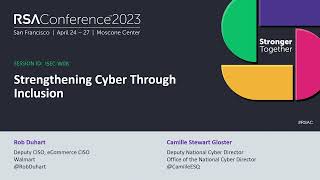 51mStrengthening Cyber Through Inclusion
 49mWomen in Information Security
 49mHiring & Retaining Security Talent: Guidance for Your Staffing Strategy
 40mVisible Figures: Bridging the Skills Gap With Inclusion and Equal Opportunity