Public Cloud Security: Surviving in a Hostile Multitenant Environment
summary
Explains security and data privacy risks introduced by public cloud multitenancy, outlining threat models for both cloud providers and customers. Covers the roles of encryption-at-rest, encryption-in-flight, and other security best practices for protecting data in public cloud environments.
AI-written summary · about
chapters (17)
- 0:00Intro
- 0:38The Third Computing Era
- 2:40ACCOUNTANCY
- 3:57Cloud Architecture
- 8:14The Cloud Security Alliance Notorious Nine
- 10:47Shared Technology Issues: Exposed Software
- 14:20The Enterprise Approach
- 17:38The Cloud Risk
- 22:2610. Shared Technology Vulnerabilities: Bottom Line
- 24:47Insufficient Due Diligence
- 28:01Abuse of Cloud Services
- 31:07Malicious Insiders
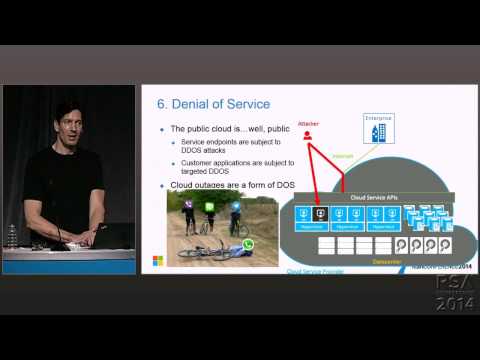
- 33:23Denial of Service
- 37:05Insecure Interfaces and APIs
- 43:20Data Loss: Bottom Line
- 46:422. Data Breaches: Physical Attacks on Media
- 53:182. Data Breaches: Side-Channel Attacks
related talks
 09mCloud Security and how to leverage the shared responsibility model to your advantage
 45mExploring and managing risks in cloud: a practical journey to cloud security
 27mConfidential Tenancy: Towards Digital Sovereignty on Public Clouds
 19mA Cloud of Trust: Building Security, Resilience and the Role of Governments
 53mThe transition of security models in the cloud era
 23mCloud Security Megatrends - No Data-Driven Innovation without Security
 47mThe Megatrends Driving Cloud Adoption – and Improving Security – for All
 50mCloud Security: How to Defend Healthcare Data in the Cloud