The frustration of diversity efforts in STEM
summary
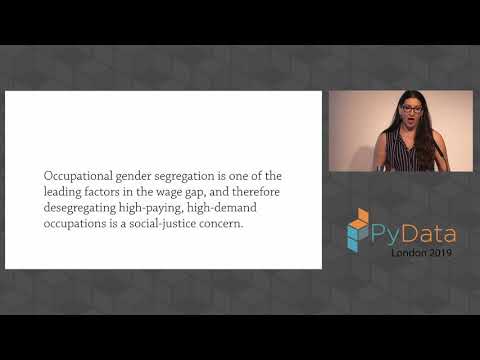
Argues that claimed biological causes for low female representation lack supporting leaps and that common fixes fail: implicit-bias training shows little impact, McKinsey finds companies in top diversity quartile are ~35% likelier to outperform, medical school female graduates jump from 16% to 40% in two decades, a DataCamp harassment case triggers community-led accountability, and evidence from Sweden suggests zipper quotas raise overall quality while workplace harassment metrics remain alarmingly high.
AI-written summary · about
chapters (23)
- 0:00Diversity efforts in STEM
- 2:15Biological determinism critique
- 5:08Free choice argument flaws
- 7:39Gender segregation origins
- 10:10Women in workforce history
- 12:36Why computer science faces more scrutiny than other fields
- 13:40Wage discrimination in STEM
- 15:13Diverse workforce benefits
- 16:17Implicit bias training limits
- 20:35Gender quotas case
- 23:52Tech workplace conditions
- 25:19DataCamp scandal case
- 28:59Action against misconduct
- 31:08Rebuilding trust after failure
- 32:12Harassment at conferences
- 34:21Power and sexual violence
- 36:50Colonialism’s gender impact
- 38:55Solutions to harassment
- 40:21Leaky pipeline flaws
- 41:25Allies driving change
- 42:48Slow STEM gender progress
- 43:30Call to STEM leaders
- 44:19Q&A: Worst Data London behavior
related talks
 01h 25mDiversity Is Too Important to Be Left to Women
 41mWhere are the women?
 36mThe Surprising Neuroscience of Gender Inequality
 22mWoke Hiring Won't Save Us: An Actionable Approach to Diversity Hiring and Retention
 53mNon-zero sum game: a talk about diversity
 33mWhere are the women?
 42mProgramming Diversity
 53mCoding Like a Girl