Harnessing Machine Learning to Improve Agricultural Resilience in Africa

summary
Names specific models and platforms: TensorFlow and Google Earth Engine used with IoT ear tags, drones and phone apps; gives numbers: 36% livestock increase from remote monitoring and 40% crop loss reduction from pest-detection apps and treatment suggestions; reports reach of 75,500 farmers and 55,000 registered users with 26% women; shows workflows for field data collection, model retraining, and delivery via community hubs, radio and SMS, and demonstrates deployed prototypes that actually change yield or mortality metrics.
AI-written summary · about
chapters (12)
- 0:00Introduction
- 1:05Farmer Musa’s climate story
- 5:04Agriculture’s economic role
- 7:23Climate change and rainfall
- 8:52Why machine learning is critical for African farmers
- 9:35ML in West African farming
- 10:59Jacuzzi Tech livestock system
- 15:47Farmers Companion app Uganda
- 21:40ML for crop yield predictions
- 23:26Adoption challenges and solutions
- 25:16ML’s transformative potential
- 26:09Q&A
related talks
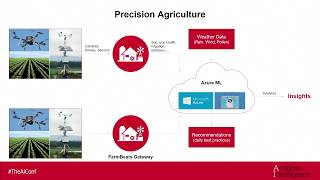 10mUsing Machine Learning to Reduce World Hunger
 31mBridging IoT and Machine Learning with Python for Sustainable Agriculture
 37mAI for Good- Then and Now
 26mAI, big data, digital and future of agriculture
 07mAI Infrastructure Transforming Modern Agriculture
 58mImproving disaster response with machine learning
 19mPlant Factory: Sensor, Data, Machine Learning
 38mBetter Farming and Better Eating Thanks to Software: Tech Serving Agriculture