Digital Privacy – low and high hanging fruits, and how to pick them.

summary
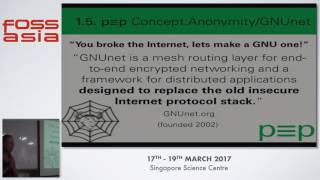
pEp claims to make PGP usable by automating installs and automatic key management, attaching and exchanging keys behind the scenes, encrypting headers and even encrypts headers and subject, and replacing long fingerprints with trust words for easy verification. Core code is open source and audited; clients and plugins exist for email (Outlook, Thunderbird, Android, iOS) and a new key synchronization method links multiple devices. Work also targets integrating peer‑to‑peer UNet to limit metadata and testing scalability toward a million users.
AI-written summary · about
chapters (23)
- 0:00Intro
- 2:56The Cyberpunk Manifesto
- 5:14Easy Privacy
- 9:56PEP features
- 11:03Who we are
- 12:16Compatibility
- 14:16Privacy by default
- 16:58Ready Internet
- 19:43Packet Switching
- 21:13The Internet
- 25:21The 70s
- 27:04The 80s
- 31:01Net Neutrality
- 31:37Facebook and Twitter
- 33:50Technology problem
- 35:08Protocols
- 37:31What is a protocol
- 40:07The OSI model
- 43:32What do you use
- 45:10IP protocol
- 49:02Crypto
- 49:57Software
- 54:13Decentralization
related talks
 24mp≡p ≡ pretty Easy privacy: making privacy the default for everyone
 52mPrivacy & Security, Policy & Technology
 38mPreserving Democracy with Cryptography
 28mDigital Privacy & Public Policy: The History & The Future
 30mWhat is this PGP thing, and how can I use it?
 01h 11mCrypto wars reloaded? Privacy technologies, cybersecurity ...
 42mSecurity of Push Messaging
 01h 08mDo-it yourself privacy protection. Empowerment or burden?