iOS Engineer’s Journey in the Realm of React Native
summary
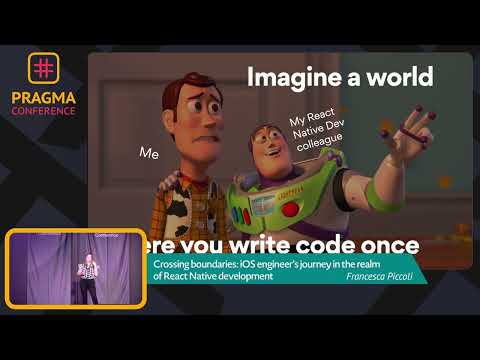
iOS app at Musixmatch shows a hands‑on migration: a login form and card component implemented in SwiftUI and React Native with 90% UI parity, TypeScript and useEffect hooks on the RN side, Expo and community libraries for missing APIs, and native modules when needed. Benchmarks claim native builds are smaller and faster because RN has a JavaScript bridge overhead. Debugging uses Xcode/LLDB versus React DevTools and console logs; testing uses Jest and react‑test‑renderer. Conclusion: mix RN screens into native apps, use native for heavy OS features.
AI-written summary · about
chapters (15)
- 0:00Introduction and background
- 1:13React Native fundamentals
- 3:02Declarative UI comparison
- 7:18Styling differences
- 8:24Props and components
- 10:10View lifecycle differences
- 11:15Performance and native APIs
- 13:42Native modules and third-party libraries
- 15:12Development speed and code sharing
- 17:00Debugging and testing
- 20:34Community and ecosystem
- 22:42Maintenance and upgrades
- 23:04Guess the framework game
- 26:35Personal takeaways and conclusion
- 28:44Q&A session
related talks
 35mMigration Web (Angular) to Mobile Development (React Native)
 26mReact Native is the new black
 01h 01mBuilding Native iOS Apps using React Native
 01h 13mMigrating to React Native: A long-term retrospective
 36mCross-platform DS in React Native: Musixmatch’s case study
 26mReact Native: A Beginner's Journey
 52mWhy you should use React Native for your next mobile app
 27mBuilding high quality mobile apps with React Native