Lessons from HasGeek's FOSS Journey
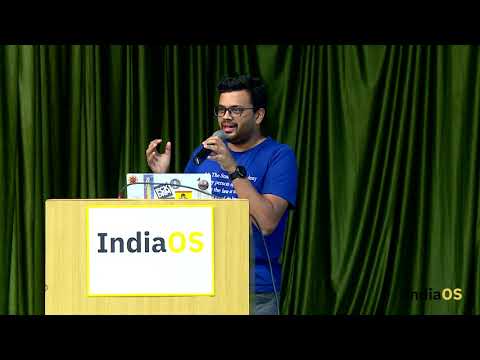
summary
HasGeek stays 100% open source after a decade but finds that code alone does not sustain projects; value is the user relationships and the governance that turns forks into contributions. Early downloadable releases (Funnel, adopted by PyCon 2013) end up abandoned — one fork is 1,462 commits behind — and dependencies hide a security vulnerability reported 2016 that is fixed but unreleased, forcing local forks. Successful projects need explicit participation structures; Linux shows 70% paid contributors as a maintenance model.
AI-written summary · about
chapters (11)
- 0:00FOSS journey lessons
- 1:31Biometric identity early lessons
- 3:37Software cost and boundaries
- 6:29Starting HasGeek projects
- 8:38Open-source adoption challenges
- 11:25Security in dependencies
- 12:06From download to hosted
- 13:53Building open-source participation
- 16:14Open source beyond code
- 18:46Paid contributors and responsibility
- 21:41Open-source maintenance
related talks
 32mLessons from building open source communities
 23mThe Open Source Journey of the Most Unlikely Participant
 32mOpen Source - A Journey of Contribution and Collaboration
 34mFOSS like a Boss!
 57mLessons on Open Source from a 25-Year-Old Company
 15mLessons learned: Guidance on how to make open source development a success
 27mOpen Source: Supporting, Contributing and Evangelising
 28mGrowing Open Source Seeds