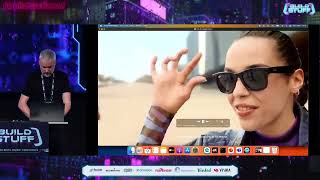
XR Demystified Separating Facts from Fiction in 2024

summary
Starts from 2014 and names concrete turning points: 2016 HoloLens enables enterprise optical see‑through apps, 2017 ARKit and 2018 ARCore put AR on millions of phones, inside‑out tracking removes external trackers, Meta Quest won market share by unlocking features in software and shipping affordable standalone headsets (Quest 2 around €250, Quest Pro ~€1700), Magic Leap 2 proves useful for industry, Apple VisionPro ships with a heavy external battery and magnetic removal quirk, and toolchains like AR Foundation and MRTK3 plus devices Meta Quest 3 Apple VisionPro Magic Leap 2 make development practical now.
AI-written summary · about
chapters (33)
- 0:00Introduction and background
- 1:10Purpose of the talk
- 3:38Defining XR umbrella term
- 5:45Augmented vs virtual reality explained
- 6:49XR hardware timeline 2014-2024
- 10:02Societal changes in camera acceptance
- 12:55Microsoft HoloLens first generation
- 13:17PlayStation VR mainstream success
- 14:00Windows Mixed Reality headsets
- 15:30Apple ARKit and Android ARCore
- 16:14RealWear HMT-1 assisted reality
- 17:21Magic Leap first headset
- 18:23Google ARCore for Android
- 18:46Microsoft HoloLens 2 improvements
- 20:08Meta Oculus Quest standalone VR
- 21:35Meta Quest 2 refresh
- 22:39Ray-Ban Meta smart glasses
- 25:14Meta Quest Pro features
- 27:02Magic Leap 2 enterprise use
- 27:45Meta Quest 3 mixed reality
- 28:47Apple Vision Pro overview
- 31:23Current best XR options
- 34:36Common XR misconceptions
- 36:04Industrial XR applications
- 38:51Motion sickness in VR
- 40:34AR vs VR differences
- 41:16VR gaming example Half-Life
- 42:22XR headset cost misconceptions
- 43:49XR technology limitations
- 45:14Inside Out tracking evolution
- 46:17XR mainstream adoption growth
- 47:01How to get started with XR
- 48:50Q&A session