Puzzle Design from lived experience

summary
Turns personal incidents into concrete puzzle mechanics: a sleepless-night hangover cure becomes a timed inventory blend ingredients to cure a hangover puzzle in Adventure Escape Picture Perfect; a broom-retrieving-can moment turns into a long‑pole/cane reach interaction in Sultan’s Inventor; a mother’s bargaining becomes a measurable trade‑conversion bazaar mechanic that players sequence to increase money; a chase abstracts to a Ghost‑Leg style cutoff puzzle. Reverse‑Wikipedia link paths are used as breadcrumb generators. Each example is implemented and tested in released Haiku/Muni projects and proves playable.
AI-written summary · about
chapters (7)
- 0:00Life-inspired puzzle design
- 1:50Defining puzzles
- 7:27Direct real-life actions
- 13:35Indirect setting adaptation
- 23:11Abstraction into puzzles
- 31:56Reverse Wikipedia Rabbit Hole
- 34:52Summary
related talks
 16mMinimal Design, Maximum Impact: Puzzle Game Design in Hypercasual Games
 06mUnderstanding Player Patterns by Combining Knowledge-Based Data Abstraction with Interactive ...
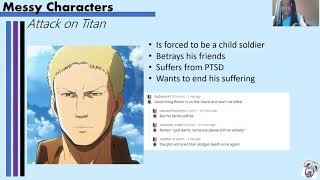 49mMessy characters and breadcrumb trails: Designing player investment
 01h 02mMaking Baba Is You,what is this?
 47mStorytelling Beyond Words
 51mMaking Games For Real
 08mQuestions without Answers: Enjoyment of Irresolution in Mystery Player Experience
 45mCreativity and roots