Once More with Feeling

summary
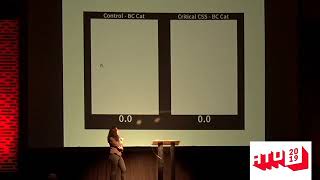
Claim: perceived speed matters more than raw bytes. Users feel anything over 100 milliseconds and revenue moves — Amazon/Walmart report ~1% gain per 100ms saved. Concrete techniques shown: use preconnect/preload and pre-render wisely, inline critical CSS, async/defer scripts, service worker app shell and skeleton screens. Wired case study: inlining critical CSS plus async JS and font loading cuts first meaningful paint by about nine seconds on 3G. Also: deliberate micro‑delays can increase trust for complex flows.
AI-written summary · about
chapters (15)
- 0:00Introduction to perception
- 2:43Brain manipulation examples
- 5:55Digital interface delays impact
- 7:18Web request performance breakdown
- 9:43Performance trade-offs and costs
- 11:07Elevator mirror solution analogy
- 13:34Active vs passive waiting
- 15:18Resource hints and preloading
- 19:47Browser critical rendering path
- 22:56JavaScript and CSS optimization
- 24:42Critical CSS inlining benefits
- 25:44Progress bars vs skeleton screens
- 28:53Progress feedback and anxiety
- 31:21Faster isn't always better
- 33:07User-centric performance focus
related talks
 22mWhy Performance Matters - JSConf Budapest 201
 21mIn the Blink of an Eye
 24mWeb Speed in Perfection
 26mFetching Data and the Perception of Speed
 01h 01mWeb Performance Deep Dive
 19mPerceived Performance, And Why It Matters
 49mEvery Millisecond Counts Performance & UX
 38mCSS and the first meaningful paint