Team Temperature How to Control High Engagement, Prevent Burnout and Navigat

summary
Claim: teams need a controlled level of discomfort to learn and deliver. Method: map current point A to desired point B, run an experience–reflection–action loop, and use tactical tools like Tim Ferriss’s fear-setting, premortems, competitor exposure, and personal scoreboards. Example: a delivery product for a major retailer is critiqued against rivals to deliberately raise temperature; developers immediately generate features (vehicle types, faster scheduling) and the product improves. Warning: raise risk enough to mobilize, not to burn out.
AI-written summary · about
chapters (18)
- 0:00🚀 Build Stuff Conference – Get Your Tickets!
- 0:21Introduction: The Importance of Team Dynamics
- 3:05Team Temperature: Defining Team Engagement
- 6:12Motivating People through Fear and Stress
- 9:32Understanding Adaptive vs. Technical Problems
- 12:47The Role of Clarity and Certainty in Leadership
- 16:05How to Set and Achieve Meaningful Goals
- 20:30The Cycle of Experience, Reflection, and Action
- 24:15Managing Adaptive Problems in Teams
- 27:40The Impact of Predictability and Comfort on Teams
- 31:02How to Tactically Increase Team Engagement
- 35:20Practical Examples of Raising Temperature in Teams
- 40:05Managing Team Burnout and Maintaining Engagement
- 44:00Why Leadership Isn’t About Making Everyone Happy
- 48:15The Power of Reflection and Slow Thinking
- 52:00Increasing Temperature through Exposing Risks
- 56:20Tools for Designing Healthy Fear in Teams
- 59:00Conclusion: Achieving Success Through Team Dynamics
related talks
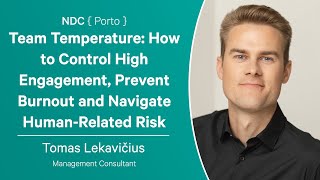 29mTeam Temperature: How to Control High Engagement, Prevent Burnout and ...
 30mNavigating team friction
 30mHow to build an anti-burnout tech organization
 55mThe leadership balancing act - achieving success without burning out
 44mFundamentals & Practices for getting a High-Performance Team
 33mIt's Dangerous To Go Alone! Take This Team
 49mHelp Your Teams Avoid Burnout and Apathy
 44mManaging the Burnout Burndown