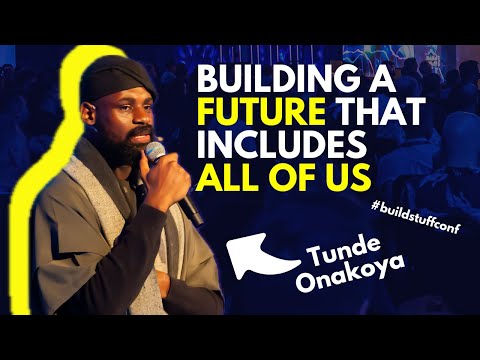
Building a Future that Includes All of Us
summary
Chess in Slums uses chess as a low‑cost tool to teach reasoning, produce school scholarships and route kids into tech pathways, reporting over 50,000 children taught across ~30 African countries and aiming for 1 million in a decade. Programs create community centers, run tournaments that win local and international seats, partner to build a Chess Innovation Hub in Lagos, and introduce tools like Meta Quest 3 VR to spark imagination — the model scales and shows measurable education and opportunity outcomes.
AI-written summary · about
chapters (11)
- 0:00🚀 Introduction: Tunde’s Journey and Vision
- 2:11Growing Up in Lagos, Nigeria: A Childhood Shaped by Poverty
- 6:00The Power of Chess: How Tunde Found His Identity
- 10:15The Role of Purpose in Creating Meaningful Change
- 12:00How Chess Opened New Doors for Tunde and Others
- 15:00Teaching Chess to Children in Impoverished Communities
- 19:10The Impact of Chess on Critical Thinking and Problem Solving
- 22:05Building a Future with Purpose: Why We Must Include Everyone
- 25:11Africa’s Potential: A Resource-Rich Continent with Untapped Talent
- 31:00How to Build a Future that Includes All of Us
- 33:20Chess and Coding: Shared Principles of Problem Solving
related talks
 16mThe New Chess Masters
 28mBuilding OSS communities with kids in Japan
 50mGrowing Up Geek
 21mThink-ing big, think-ing diverse, Think-ing forward
 49mBeyond the Bubble: Developing the next generation of designers
 21mChit-chat with the Tech Community Hero 2025
 31mTHINK-ing Big, THINK-ing Diverse, THINK-ing Forward
 05mChanging the Face of Technology - Black Girls CODE