Code Security Reinvented Navigating the era of AI
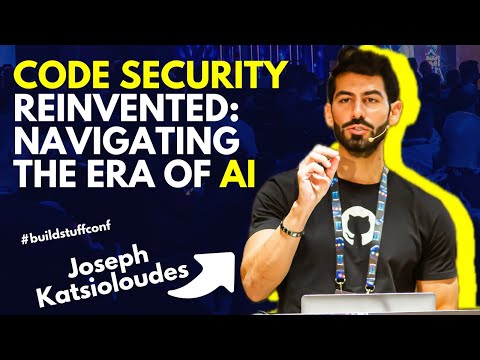
summary
GitHub Security Lab reports 1,000+ security issues found, 700+ CVEs coordinated and a 96% fix rate, and shows four concrete AI uses: writing safer code with GitHub Copilot (GitHub says 60% of committed code was Copilot-generated), CodeQL for SAST that surfaces alerts and offers generate fix suggestions to create multi-file PR fixes, secret scanning and fuzzing string generation for testing, plus measurable adoption (MercadoLibre: 13,000 devs, 9,000 on Copilot, ~50% faster) and explicit limits — AI helps but does not replace testing or human oversight.
AI-written summary · about
chapters (12)
- 0:00🚀 Introduction to Code Security and AI's Role
- 2:30Joseph’s background and the mission of GitHub’s Security Lab
- 6:00The challenge of bridging the gap between security experts and software developers
- 8:00How AI, specifically GitHub Copilot, is transforming code security
- 11:30Example of using AI to detect and fix SQL injection vulnerabilities
- 18:00The importance of context and logic in AI-generated code suggestions
- 22:00How AI can enhance security by identifying security flaws before code goes into production
- 26:00Demonstrating AI-driven code fixes and the role of security filters in Copilot
- 30:00How AI improves security testing and developers' ability to write safer code
- 33:10Static application security testing (SAST) and how AI enhances these tools
- 35:40Addressing privacy and security concerns in AI tools like Copilot
- 38:00Summary: How AI is bridging the gap and helping developers enhance security
related talks
 38mCode Security Reinvented: Navigating the era of AI
 32mCode Security Reinvented: Navigating the Era of AI
 30mHuman vs AI: How to Ship Secure Code
 58mSecuring Code in the Age of AI
 23mCode Security Reinvented Navigating the era of AI
 23mAI-Generated Code: Who Is Responsible for the Bugs?
 01h 02mHow AI is impacting cybersecurity. Does it?
 30mWhat Are the Security Risks Associated with AI-Generated Code? 🤔