SE, Applied Educational Theory, And The Gap Between Them
summary
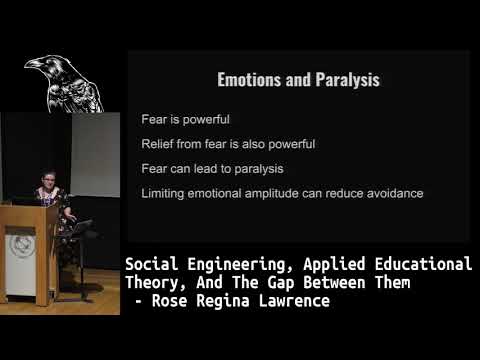
Argues that social engineering yields short‑term compliance but undermines long‑term security habits and trust, and recommends teaching strategies instead: target increase self-efficacy, use the I D I D S sequence (Activity, Discussion, Input, Deepening, Synthesis) so only ~20% is lecturing, troubleshoot real barriers, and avoid panic‑driven prompts that cause paralysis. Gives concrete tradeoffs: rapport-building tricks win favors but erode lasting trust and encourage shadow IT; calm risk framing plus hands‑on practice produces durable behavior change.
AI-written summary · about
chapters (11)
- 0:00Intro
- 0:52Influences on Learning Experiences
- 2:15What kinds of Learning Goals Exist?
- 4:15Examples of Educational Frameworks
- 5:33ADIDS Content Structure
- 7:11ADIDS in Practice
- 8:46Supporting Change
- 10:04Additional Skills That Help With Teaching
- 10:55Emotions and Paralysis
- 12:35Trust or Rapport?
- 14:36Counterproductive Social Engineering
related talks
 30mThe Power of Persuasion: Better Security Through... Manipulation?
 43mHow to deal with the social side of computing life
 51mThinking Differently About Security
 50mUsing Influence to Stop the Unfluence: The Secret Sauce of Cybersecurity
 11mPeople-Powered Security: The Role of Soft Skills
 41m2024 Security BSides // Mick Baccio
 13mPeople-Centric Security: From Awareness to Culture
 38mShaping Language in Cybersecurity For People