How to Anticipate and Deal with Changes

summary
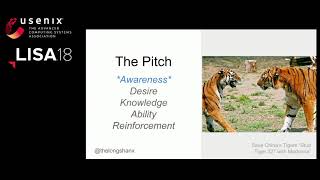
Argues that successful adaptation requires anticipating change across three levels—individual, team, organization—using concrete models: change iceberg (visible rituals vs hidden emotions), Satir and Kübler‑Ross stages for personal transitions (10–20 major transitions, often 6–10 months each), Lewin force‑field with unfreeze‑change‑refreeze, and ADKAR steps (Awareness, Desire, Knowledge, Ability, Reinforcement). Recommends building credibility and coalitions, institutionalizing new behaviors (bonuses, policies), watching signals (mergers, new tech, leadership) and “smell the cheese” early to convert ignorance into curiosity and action.
AI-written summary · about
chapters (11)
- 0:00Start
- 3:35So, why do people resist changes?
- 4:59Homeostasis
- 7:55So, what is change?
- 8:38The Myths around Change
- 9:10The Reality...
- 11:24Change Models
- 12:22Satir Change Model
- 18:01Transitions
- 18:55Lewin Force-field Analysis
- 28:16Indicators of impending change
related talks
 27mChange Management for Humans
 27mChange Management for Humans
 36mAccepting To Embracing Change: An Unknown Tool To Thrive In Uncertain Times
 28mChange Management for Humans
 40mMoving Culture Change
 37mRiding The Rollercoaster of Change: Turning uncertainty into growth
 46mMyths and Patterns of Organisational Change
 47mFacilitating Innovation in a Post-COVID19 World: Cultivating a Climate for Paradigm Shift