Patterns & Practices for building Multi-Agent Systems

summary
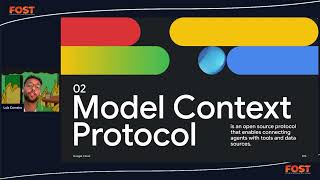
Explains how to actually build multi‑agent systems: introduces Model Context Protocol (MCP) for agent→tool calls and A2A agent protocol for agent→agent negotiation (Anthropic and Google origins named), shows patterns like Orchestrator‑Work, Hierarchical, Blackbox and Event‑driven, and evaluates frameworks LangChain, Langraph, Crew AI, n8n, Llama and RAG. Gives concrete examples (an agent booking a vacation by negotiating with travel agents), discusses deployment, cache, guardrails, identity/auth, and when multi‑agent parallelism pays vs. added complexity.
AI-written summary · about
chapters (10)
- 0:00Introduction
- 1:52AI evolution to agentic systems
- 4:21What defines an AI agent
- 9:17Multi-agent systems overview
- 13:11Advantages of multi-agent systems
- 18:42When to use multi-agent systems
- 20:53Common multi-agent architectures
- 23:19MCP and A2A protocols
- 34:44Deployment security for agents
- 40:23Summary
related talks
 45mAn Agent Walks Into a Bar... and Meets Another Agent: Multi-Agent Systems in Action
 56mDesign Patterns for Multi Agent Systems
 02h 59mStandards and AI Agents: an Overview of MCP, A2A, ADK and More
 28mThe Put That Sh*t On Agent: Building Multi-Agent AI Systems That Actually Talk to Each Other*
 46mAgentic Design Patterns Where You Are the Hero
 29mBuilding Interoperable Agents: When A2A meets MCP
 26mOverview of AI Agent Protocols
 50mScalable Innovation: Exploring Multi-Agent Systems