Empowering Enterprise Architectures with Polyglot Persistence

summary
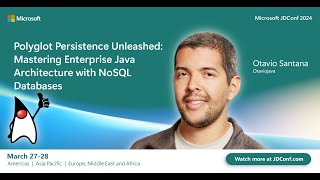
Live coding shows Java connecting via JDBC and NoSQL drivers and demonstrates six integration patterns: driver, mapper, DAO, active record, repository, DTO. Examples target Redis for caching, Cassandra for wide‑column queries, MongoDB for document JSON, and a graph DB for relationship queries, with tradeoffs measured: proximity to database vs domain, migration pain, and runtime cost of reflection. Jakarta Data and Jakarta NoSQL are shown as framework options to reduce boilerplate and preserve business, isolation, performance goals. Recommendations: prefer mature frameworks over hand‑rolled clients.
AI-written summary · about
chapters (22)
- 0:00Polyglot persistence importance
- 2:30Data storage for business growth
- 5:04Persistence layer challenges
- 8:36Impedance mismatch
- 10:49Data integration patterns
- 14:25Driver pattern
- 16:38Mapper pattern
- 18:44Repository pattern
- 20:28Active record limitations
- 22:16DTO pattern
- 25:06Frameworks vs handwritten code
- 27:34Choosing persistence frameworks
- 30:26Persistence layer goals
- 31:53Tradeoff philosophy
- 33:23Polyglot persistence for microservices
- 34:26Key-value databases
- 37:36Wide-column databases
- 40:53Document databases
- 43:23Graph databases
- 45:11Scalability vs flexibility
- 47:43Replication models
- 49:11Persistence layer challenges
related talks
 55mPolyglot Persistence with Java
 47mMastering Java Persistence: Best Practices for Cloud-Native...
 25mPolyglot Persistence Unleashed
 34mSimplifying Polyglot Persistence Integration with...
 46mMastering Java Persistence: Best Practices for Cloud-Native & Modernization
 43mMake your life easier with Jakarta's new persistence features: Data and NoSQL
 46mThe State of Java Relational Persistence
 53mSimplifying NoSQL Database Integration with Jakarta NoSQL