AI and gendered biases

summary
Field study tests one device each for five assistants (Siri, Google Now, Bixby, Cortana, Alexa) with a standardized set of English prompts—three sexual violence, three cyber-violence, three non‑crisis baseline—for a total of six crisis queries analyzed for recognition, respectful tone, and referral. Results from December 2017 show uneven behavior: Siri and Alexa sometimes refer to helplines, Google Assistant mainly handles non‑crisis prompts, Cortana returns offensive or useless replies, and no assistant recognizes cyberstalking. The paper concludes missed opportunities and likely design choices rather than data gaps.
AI-written summary · about
chapters (9)
- 0:00Start
- 0:34Trigger Warning
- 1:02Virtual Assistants
- 3:54Why Virtual Assistants
- 10:02Cyber Violence Concerns
- 14:05Before the Analysis
- 17:05Effectiveness of Reference
- 20:34Conclusion
- 30:09Reproduction of Gender Stereotypes
related talks
 04mVOICE 2021 | Arpita Kumar, Google Assistant
 52mDesigning digital assistants for those who need it most
 40mCulturally-Inclusive AI: Enhancing User Experience With Global Perspectives
 30mAI and Accessibility: the Good, the Bad, and the Bollocks
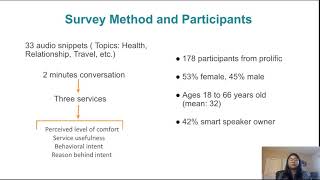 06mInvestigating Users’ Preferences and Expectations for Always-Listening Voice Assistants
 50mAI as an A11y Ally
 35mDesigning Inclusive and Accessible Experiences in the Era of AI
 19mAlexa, show me a good voice UI