Who, What, Where and How: Five Big Questions in Mobile Security
summary
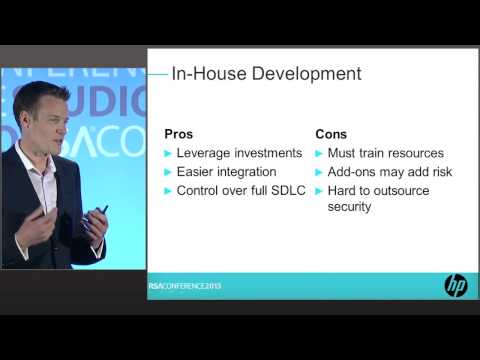
Examines organizational decisions around mobile software security—covering platform support (Android, iOS), secure software development life cycles (SDLCs), and deployment/location considerations—to show how choices about who builds apps, what platforms and features are supported, where code runs or data is stored, and how development is managed create tactical security implications.
AI-written summary · about
chapters (20)
- 0:00Introduction
- 1:03Why is mobile security imperative
- 1:38The shift in technology
- 2:37Whos going to be held accountable
- 3:10What is mobile security
- 3:35Who cares about mobile security
- 5:24App developers
- 6:33Platforms
- 7:59Application Delivery
- 10:07Programming Language
- 11:53Where are your apps developed
- 12:31Advantages of inhouse development
- 13:04Downsides of inhouse development
- 14:47Downsides of boutique firms
- 15:39How to build secure mobile applications
- 16:36Three levels of maturity
- 18:31Learning best practices
- 19:08Conclusion
- 19:19Start Simple
- 20:00Existing Processes
related talks
 30mMobile DevSecOps 5 Tips from Building Mobile Apps Used by Millions
 58mHackers vs Developers: Mobile Applications
 45mTen Secrets to Secure Mobile Applications
 43mAndroid Security (for Developers)
 37mMobile DevSecOps: 5 Tips from Building Mobile Apps Used by Millions
 26mHow to become your app's 'security champion'.
 29mFixing Mobile AppSec
 48mHow to Meet the New Mobile Application Security Imperative