Laying the Cultural and Technical Foundation for Big Rails

summary
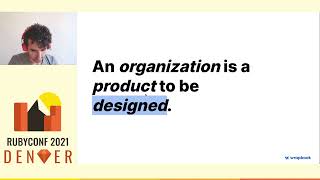
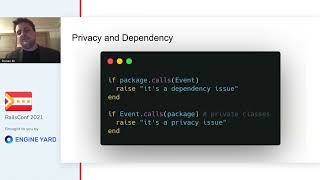
Case study shows Gusto extracting concrete wins: explicit ownership, domain-first layout, and a toolchain that enforces boundaries. Built gems and integrations include packwork, stimpac, and a code ownership gem plus package protections; CI fails on privacy or dependency violations. A year of rollout and about a thousand PRs of hands‑on coaching plus VS Code and CI hooks drive adoption, violations trend down, and teams claim ownership without forcing immediate gem extraction.
AI-written summary · about
chapters (19)
- 0:00Introduction
- 1:52Rails monolith growth challenges
- 3:40Scaling Rails development principles
- 5:29Accountability in code
- 7:56Clear domain boundaries
- 8:39Dependency management
- 9:42Domain-based Rails organization
- 11:25Packwerk for boundaries
- 13:12Packwerk dependency enforcement
- 16:49Dependency violations explained
- 17:52Packwerk vs gems and engines
- 19:38Adoption and cultural shift
- 20:42Privacy enforcement implementation
- 22:06Feedback loops for big Rails
- 23:10Developer experience tooling
- 24:33Cultural impact and adoption
- 25:17Results and future scaling
- 25:59Open-source contributions
- 26:42Q&A