Life, Death, and Shopping

summary
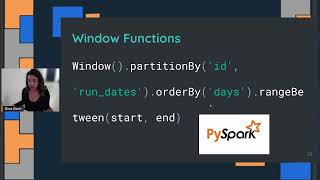
Covers using survival-analysis framing for events like churn, engine failure, or purchases, highlighting that labels are often rule-derived (e.g., 30-day inactivity) and that the data layout differs from standard ML. Explains how to prepare and aggregate time-based features with PySpark for these problems, and describes a connection to NLP techniques for this kind of temporal/event data.
AI-written summary · about
related talks
 12mLife, Death, and Shopping
 35mLife, Death, and Shopping
 53mMachine Learning in E‑commerce
 44mEating Humble Py: From Toy Problem to Real-World Solution in Predicting CLV
 17mCreating & operating ML models from event-based data using feature stor...
 36mCustomer Lifetime Value: Models, Metrics and a Multitude of Uses
 31mLife cycle of data becoming a model
 49mUnderstanding Customer Journeys with Deep Learning