Well, I Didn’t See That Coming! – Kardo Ayoub
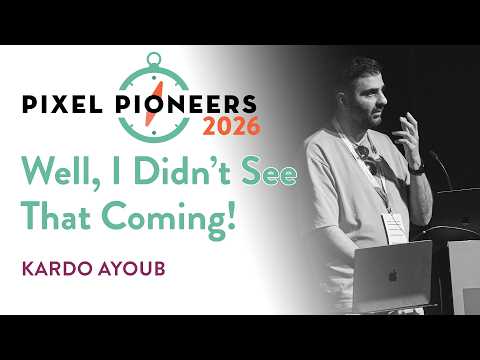
summary
One designer recounts a sudden brain lesion roughly the size of a lemon that requires an awake nine‑hour operation and leaves a permanent 50/50 cut in the visual field; eyesight remains sharp but half of every scene never reaches the brain. Work shifts from flashy interfaces to practical accessibility: a tiny prototype—an annotated image tool with a reusable image library and share-to-records flow—ships in weeks, boosts patient engagement and medication adherence, and becomes the catalyst for moving into healthcare tech.
AI-written summary · about
chapters (13)
- 0:00Introduction
- 3:55MRI diagnosis and brain surgery
- 7:01Awake brain surgery experience
- 10:31Visual impairment explained
- 13:21Adapting to peripheral vision loss
- 16:35Epilepsy and hallucinations
- 19:27Lessons from challenges
- 21:18Design approach changes
- 22:43Patient information retention
- 24:29Performative accessibility critique
- 25:52Designing with disabled users
- 27:20Temporary and situational disabilities
- 28:25Turning challenges into opportunities
related talks
 15mAccessibility: A line of code can be many things
 11mOne Blind Weekend
 49mUh oh, the future is here! Designing for the future
 49mRedesigning for Cognitive Ease
 01h 04mWhat do your users really see: the science behind user interface design
 01h 02mA Designer’s Guide to Life-and-Death Decisions
 30mWhy Everyone Should Design For Chiari Malformation
 21mRethinking web accessibility: Using AR for people with disabilities